
3 Stages of Resumes Storytelling
Weaving a Narrative in your Resume

Resumes are a beast.
Trying to figure out which experiences matter or not having enough experiences to fill 1 page is mind-numbing. Adding some framework and structure helps.
By the end of this post, you’ll know:
Why Storytelling in Resumes?
The 3 Stages of Storytelling in Resumes
Examples
Why Storytelling in Resumes?
Everyone can learn any skill they want.
Before, technical skills —like programming or CAD—made you unique. And the internet destroyed that. Now, it’s much easier for everyone to reach a competent level. You don’t stand out by being a programmer, machinist, or engineer.
You must combine your skills in a personal way to stand out.
You have two options to stand out:
Option 1: Be the Best by outperforming everyone through hard work and determination.
Option 2: Be decent at many things & combine them in a unique way so no one else reaches your level.
I’m focusing on option 2. An easier—and more fun— way to rise above the crowd is by combining different skills like a mad scientist.
Storytelling is combining common ideas in a unique way to take an audience from point A to point B.
For resumes, it’s about taking the person reading your resume to go from
“Should I toss this resume in the trash? “
To
“Wow I need to call this person immediately!”
Fancy data and facts aren’t enough. It’s how you tell them.
Storytelling is the vessel to get people to care about the person behind the data.
And that’s what I’ll teach you how to do.
3 Stages for Using Storytelling in Resumes:
There’s a short window to grab the recruiter’s attention.
Can’t make it too long, or they won’t read it. Can’t make it too short, or they won’t understand.
In this story, the protagonist is you.
Use your experience to show your experiences, challenges, and how you grew from them.
Remember, keep your resumes to a maximum of one page.
Stage 1: Content:
Educational Experience:
This section sets the context for your story.
List the following:
GPA (if applying to first job)
Groups you were in or led.
Degree
Who this person is should be clear from the education section.
Work Experience:
Here, we focus on what this person does.
Focus on highlighting your achievements. Follow the S.T.A.R. STAR is an acronym for Situation, Tasks, Action, and Result.
If you need to highlight skills or experiences, get specific numbers. If you designed something in CAD, get a weight reduction based on your design or how quickly you created the part in software. If you were in a leadership role, get numbers on your achievements.
Here are some templates that can help:
[Result] achieved from [Action] using [Tool/method]
Reduced costs by 33% by modifying the design using SolidWorks.[Result] achieved from [method] to get [goal]
Increased membership by 150% as president and established crucial partnerships with healthcare professionals and university professors.
Projects:
This section is a must for an engineering resume.
Here you dive into specifics on projects from work experience or personal projects. Similar to the work section, focus on achievements. Show the recruiter why they should care.
Highlight:
Goals
Results
Methods
The Harvard Business Review has a great deep dive into turning bullet points into stories:

Improve Your Résumé by Turning Bullet Points into Stories
hbr.org/2016/05/improve-your-resume-by-turning-bullet-points-into-stories

Stage 2: Structure:
Structure is how you organize your resume.
Most resumes follow a similar format to the one below:
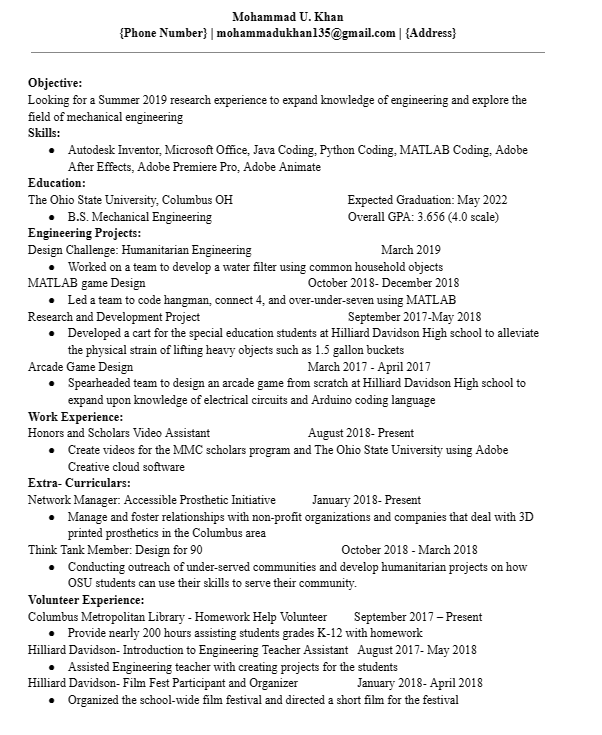
It’s common, familiar, and will pass an ATS system.
or you change it up. And try something different.
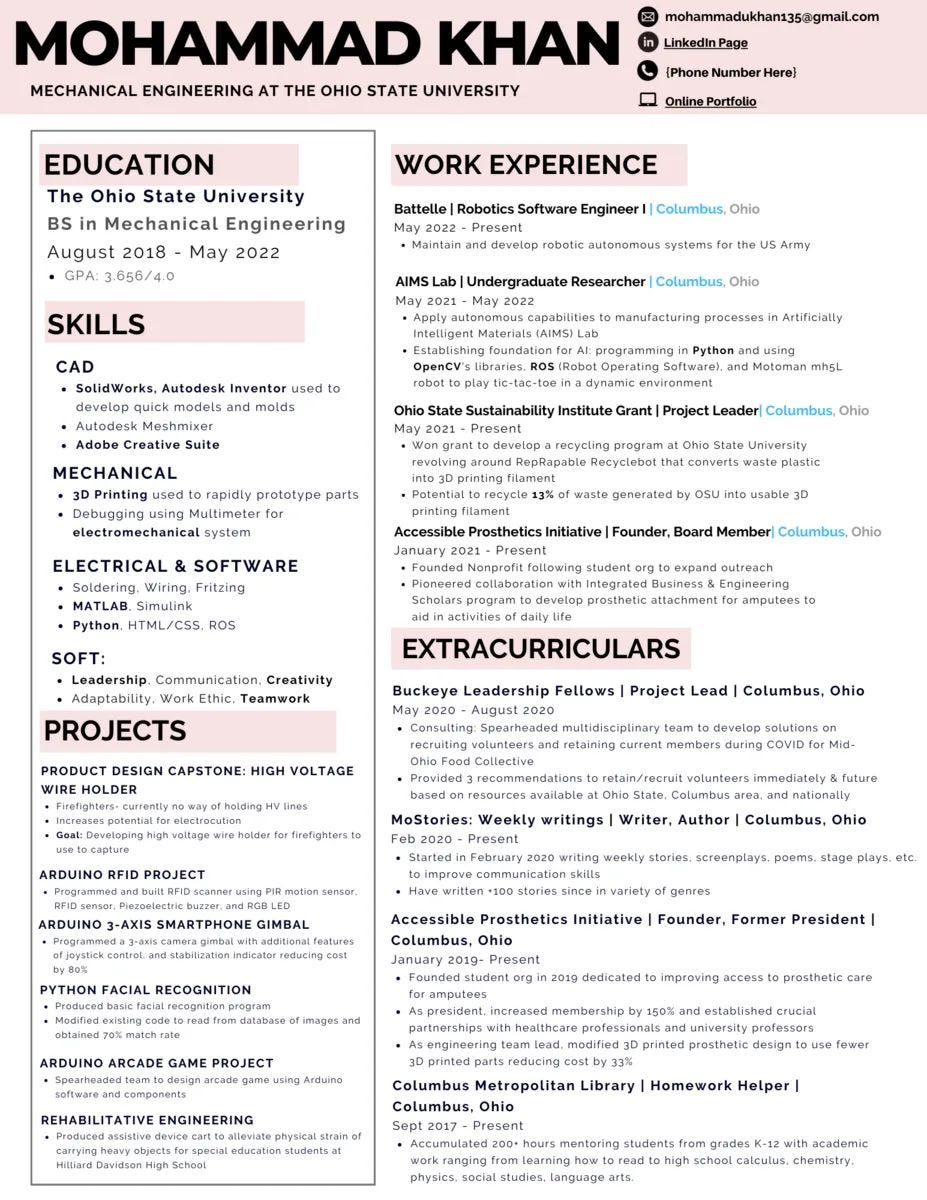
Same info. Different structure.
In storytelling, the same story looks different if you change the structure.
Play around with structure and how you organize your content. For a deeper dive into what makes these resumes work, click here.
Always check if your final resume passes the ATS system.
Here’s a free resume scanner: https://cultivatedculture.com/resume-scanner/
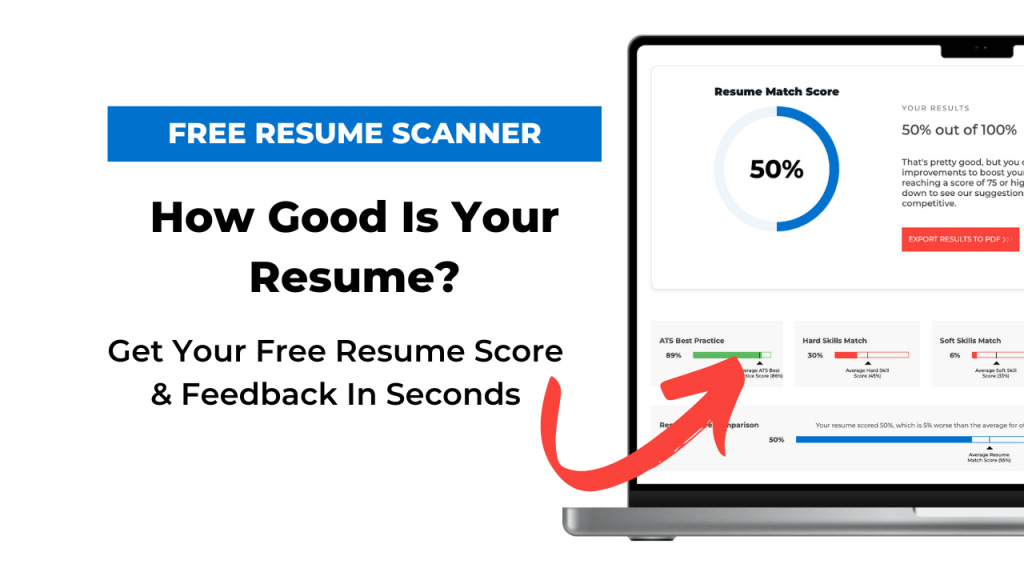
ResyMatch.io | Free Resume Scanner & Optimizer by Cultivated Culture
cultivatedculture.com/resume-scanner
Stage 3: Formatting
How your resume looks makes a big difference. Try these formatting tricks to make an eye-catching resume.

Trick 1: Bold the Keywords used in job descriptions.
Resume ATS systems search for Keywords.
So do Recruiters. Bold them.
Recruiters give resumes 5-10 seconds before moving on. Bolding the key words makes sure they know your skills and how well you fit the description.
Trick 2: Make your results clear.
Your resume must describe results from your experiences.
Bold these or underline them.
Use Active Voice.
Words like "Led" or "Worked" are weak.
Try "Guided" or "Developed"
Trick 3: Format for Readability.
Follow a Consistent Structure
Bold Important Text.
Use White Space.
Use bullet points.
Examples:
For more help, click on the following:
That’s it!
As always, thanks for reading.
Hit reply and let me know what you found most helpful this week—I’d love to hear from you!
See you next Saturday!
If you’d like, here’s how you can support me:
Share this newsletter with a friend: Next-Level Engineer
Follow me on LinkedIn: https://www.linkedin.com/in/mohammadkhan1859/
Need help Cold-Emailing? Here are FREE templates: https://next-level-engineer.beehiiv.com/p/10-cold-email-prompts-and-templates
If you’re in college or thinking of switching careers, download my FREE Career Decision Matrix: https://mohammadkhan135.gumroad.com/l/decision_matrix