
Polymath Profile: Leonardo Da Vinci
Art is never Finished, only Abandoned.

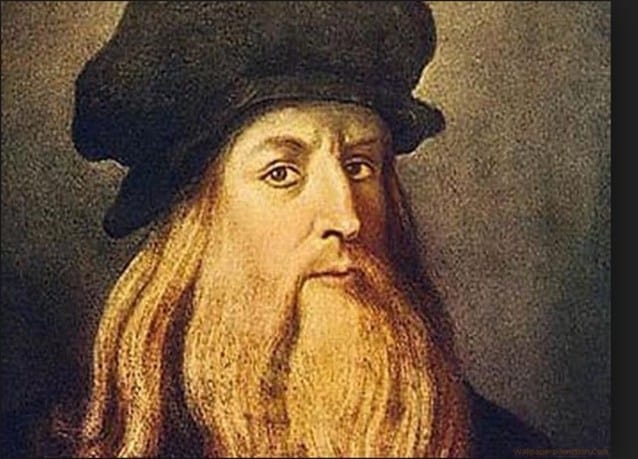
Specialist, generalist or polymath? (diginomica.com)
I have been impressed with the urgency of doing. Knowing is not enough; we must apply. Being willing is not enough; we must do.
Leonardo da Vinci was an Italian polymath who lived during the Renaissance period. He is widely regarded as one of the most important figures in the history of art, science, and technology.
Da Vinci was a painter, sculptor, architect, musician, engineer, inventor, anatomist, geologist, cartographer, botanist, and writer. He is known for his incredible creativity, intellectual curiosity, and wide-ranging interests.
What made him a Polymath was his ability to take his interests, combine them in unique ways, and excel in different fields.
What makes him a Polymath?
Da Vinci was a true polymath as he excelled in multiple fields of study and was considered a master in each of them. He had an insatiable curiosity about the world and was always seeking to learn more.
From his discoveries, inventions, accomplishments, and journals in a variety of fields, he became the world’s most famous Polymath.
Skills:
Leonardo da Vinci had an incredibly diverse range of skills and interests, including:
Art: Da Vinci is most famous for his paintings, including the "Mona Lisa" and "The Last Supper". He was also a skilled sculptor and architect.
Science & Technology: Da Vinci was a pioneer in fields such as anatomy, optics, and mechanics. He was also an inventor, designing prototypes for machines such as flying machines, military weapons, and hydraulic pumps.
Mathematics: Da Vinci had a deep understanding of mathematics and geometry and used these skills to create his artworks and designs.
Writing: Da Vinci was an avid writer, filling countless notebooks with ideas, observations, and sketches.
How He Combined his Skills:
Leonardo da Vinci's incredible polymathic abilities allowed him to combine his skills in many unique ways.
For example, he used his knowledge of optics to create the sfumato technique in his paintings, which gives his figures a sense of depth and realism. He also applied his knowledge of anatomy to create more realistic and lifelike figures in his artworks. Additionally, he incorporated his knowledge of mechanics and engineering into his inventions, such as his designs for flying machines and military weapons.
Actionable tips:
Here are some actionable tips for readers who want to combine different skills in their own lives:
Pursue Diverse Interests: Da Vinci's incredible range of skills was due in large part to his wide-ranging interests. Don't be afraid to explore different fields and interests, even if they don't seem related at first.
Look for Connections between different fields: As you explore different fields and interests, look for connections between them. Da Vinci was able to apply his knowledge of anatomy to his art, and his knowledge of mechanics to his inventions.
Keep a notebook: Da Vinci famously kept a notebook filled with his ideas, observations, and sketches. This allowed him to keep track of his many different interests and see connections between them. Consider starting your own notebook or journal to document your ideas and observations.
Practice Creativity: Finally, remember that creativity is key to combining different skills. Practice creativity in your daily life by challenging yourself to come up with new ideas, brainstorming solutions to problems, and looking for new and innovative ways to approach your work.