
Why Storytelling is critical for Engineering
3 Tips, Skills, & Tools to Apply Storytelling in your Work Today!

Storytelling is an Engineering Skill.
This issue at a Glance:
3 Tips on using storytelling to improve your communication skills.
3 Skills on using storytelling to make you a better engineer.
3 Tools to incorporate storytelling in your work as an engineer.
What’s the Big Idea?
Want to be successful in your career as an engineer? Master crafting stories and captivate your audience.
Common mistakes to avoid:
Mistake #1: Assuming data are enough to convince people.
Mistake #2: Ignoring the human element of engineering.
Mistake #3: Thinking that storytelling is only for creative fields.
People make these mistakes because they underestimate the power of storytelling in engineering.
And miss out on opportunities to engage with stakeholders and drive innovation.
So, here’s how to fix it:
Part 1: Improving Communication Skills
Start with the basics. How you talk with others & present ideas is important.
As an engineer, you will deal with non-engineers over 80% of the time in your job. You must be able to explain complex ideas at different levels from coworkers, clients, finance depts, to the general public.
Mistake 1: Assuming data are enough to convince people.
Facts alone aren’t enough. You need Data + Visuals + a Narrative.
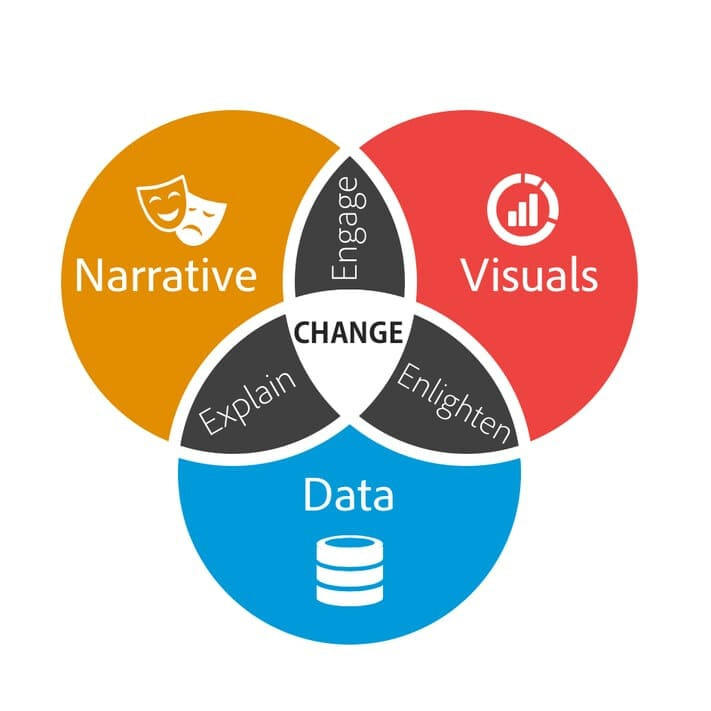
Use storytelling techniques to connect with your audience and convey your ideas in a more compelling way.
Here’s what I mean:
Don’t present data in a dry report.
Use a story to illustrate the impact of your work on people's lives. Walk them through experiencing a problem to using your solution to solve it.
People won’t understand it if you show speeds of 40 mph and force values of 67,080 N.
But they will understand it if you show the resulting car crash.
By incorporating storytelling into your communication skills, you become a more effective engineer.
3 Tips to improve your communication skills.
Tip 1: Be Visual.
Use visuals to convey data & meaning. Speed & force numbers don’t matter unless you show the image of a car wreck.
Excel +PowerPoint is your best friend in most cases. But for more customizability, you can’t go wrong with using Canva.
Tip 2: Know what NOT to Share.
Not everyone needs to know everything.
You need to know your audience. Understand where they’re coming from. Understand why they would listen to you.
If you’re talking with teammates, technical details are good. If you’re talking with your boss, broad scope details work. What’s good, what’s bad, and where do you need help. If you’re talking with business heads, talk numbers, talk cost analysis, and return on interest.
Tip 3: View the Format as a medium, not restriction.
PowerPoint, white paper, speaking event, video are mediums.
Use them to expand your message, not restrict it.
Treat PowerPoints as Storyboards to guide the audience from Problem —> Solution.
Leverage formatting in White Papers to improve readability & data visualization.
Public Speaking: 55% nonverbal, 38% vocal, and 7% words only. Use gestures, tone, and word choice to convey meaning & guide the audience.
Video is a combination of everything. Get creative on visualizing ideas using motion graphics and treat a script as a regular conversation.
Part 2: Become a Better Engineer
Become a better storyteller by focusing on the human element of engineering.
Engineering is not about solving technical problems. There are people behind the numbers. Effective engineers understand people's needs and designing solutions that improve their lives.
But not everyone learns how to understand customer needs in university or how to even ask the right questions to find customer needs.
Mistake #2: Ignoring the human element of engineering.
Use storytelling to empathize with your stakeholders and design solutions that meet their needs.
Here’s what I mean:
Don’t focus on the technical aspects of a project.
Tell a story about how the project will impact the community and improve people's lives.
Depending on your audience, you’ll adapt the story.
If you’re talking to the funding people, you better speak their language of ROI, costs, growth. Best open with the result of the project or whatever they value.
Learn the language of your customer & repeat it back to them.
By incorporating storytelling into your work as an engineer, you create more meaningful and impactful solutions.
3 Skills to Master on using storytelling to make you a better engineer.
Skill 1: Leverage Structure
Structure is a map for your audience to follow as you guide them from problem-idea-solution.
“How We Got here Method” (adapt to fit your context)
Walk people through your logic but don’t make a decision.
Let the audience absorb the information.
Then ask how they would decide.
Real-life examples are Nova, Cosmos, Bill Nye: The Science Guy, and other educational TV programs.
Each Speaker follows a similar structure.
Set the stage.
Describe a personal story the audience can relate to.
Bring it to a one-liner statement the audience will remember.
Some of my favorite lines:
Science does not become mainstream until the artists embrace the fruits of those discoveries…. Artists take science to new places.
Neil DeGrasse Tyson
Science is about those moments. Going from confusion to clarity.
Brian Greene
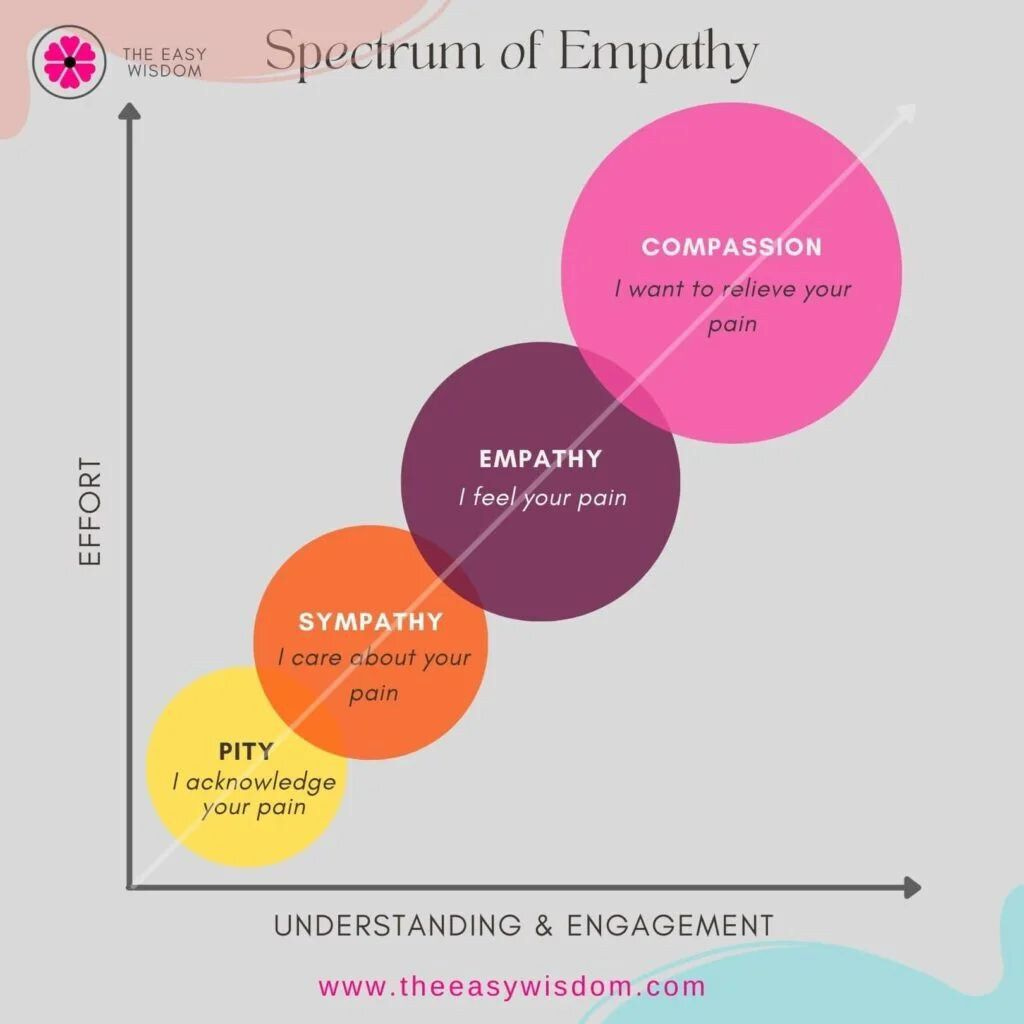
Skill 2: Empathy
Empathy is understanding someone’s pain.
You need to understand another person’s perspective, language, and pain. Practice viewing different perspectives using this exercise:
Describe [something you know about] to [someone who doesn’t know it].
Describe the importance of programming to fashion artist.
Describe the importance of writing to an engineer.
Describe the sun to a blind person.
Describe music to a deaf person.
Practice actionable empathy. Find what motivates someone, understand it, then help them achieve it. It’s as simple as remembering people’s names. :)
Skill 3: Improvisation
Everyone’s got a plan until they get punched in the face.
Mike Tyson
When you don’t know, you don’t know. Don’t lie.
Instead find different ways of saying “I don’t know, but I can find out.” Improv skills come in handy such as mirroring, labeling, and other active listening tactics.
Leveraging negotiation tactics work as well. For more on negotiation, see below:
Part 3: Incorporating Storytelling in your Work:
Storytelling is in every aspect of engineering.
But we don’t hear about it in university. We hear about storytelling in movies and tv shows or books.
Mistake #3: Thinking that storytelling is only for creative fields.
Use storytelling to explain your design choices, communicate progress to stakeholders, and share the impact of your work.
Use visual storytelling techniques like infographics and videos to communicate complex technical information to non-technical stakeholders.
By incorporating storytelling into your work as an engineer, you engage with stakeholders, build trust, and drive innovation.
3 Tools to incorporate storytelling in your work as an engineer.
Tool 1: Storyboarding:
A tool that helps engineers visualize their story in a series of sketches or images that show the main scenes, actions, and transitions.
Presentations make great storyboards.
Tool 2: Storytelling Canvas:
As you create more presentations and stories, develop templates to cover elements of a story, such as the problem, the solution, the benefits, the evidence, and the call to action.
There are plenty of story structures online. Here are few:
Steve Jobs Followed a Simple 3-Step Formula for All of His Speeches (businessinsider.com)
How to Use Powerful Storytelling to Create a Unique Pitch Deck (basetemplates.com)
Tool 3: Storytelling Toolbox:
Your toolbox are techniques such as hooks, anecdotes, analogies, metaphors, data visualization, and emotion.
Use GPT-3 to develop prompts to help you brainstorm how to pitch an idea or inject storytelling structure to a presentation.
Here's an example:
Mohammad Khan on LinkedIn: 1 Master GPT3 Prompt for Hero Journey
1 Master GPT-3 Prompt for #engineers to incorporate Storytelling into their PPTs on autopilot.

That’s it!
Hit reply & let me know what you found most helpful this week—I’d love to hear from you!
See you next Saturday!
If you’d like, here’s how you can support me:
Follow me on LinkedIn: https://www.linkedin.com/in/mohammadkhan1859/
Gain Clarity in your Career using a Decision Matrix: https://mohammadkhan135.gumroad.com/l/decision_matrix