
[Essay] Who are we in disaster?
How Train to Busan (2016) demonstrates 3 facets of our humanity in the times of crisis

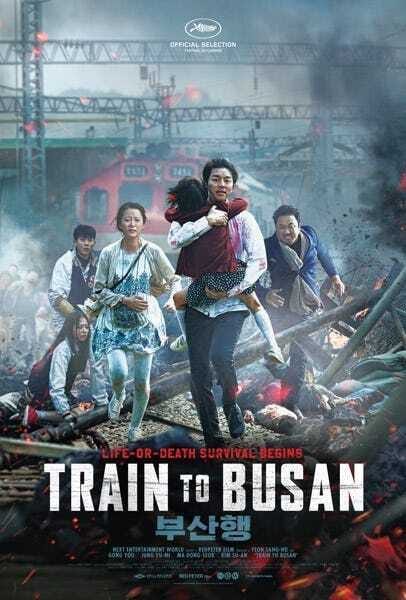
Train to Busan (2016) is a South Korean zombie movie with a unique spin on the zombie genre potentially making it one of the best zombies ever made.
The story follows an estranged husband taking his young daughter to see their mother in Busan when a zombie outbreak occurs trapping both of them on a train heading to Busan, a safe quarantine zone. The film is sublime on many aspects from writing to setting to pacing to cinematography, I want to focus on the characters.
Specifically, the 3 major reactions to the zombie apocalypse.
The Selfish:
The people who act selfishly in times of disaster survive for a while.
In the movie, this is portrayed by the businessman on the train. He survives with another group of people by convincing them to barricade themselves away from everyone else and hold tight until they reach Busan. Our protagonist starts in this camp and grows throughout the movie.
Though it would be easy to dehumanize the selfish and convey the simple message of selfish = bad, the movie takes another step to humanizing the selfish through their last acts demonstrating they’re people hoping to see someone they love.
The Selfless:
The few who are selfless are often the first responders or the civilians who step up and protect everyone else.
The selfless survive for a while in disaster until their selflessness leads them to their death. There are many selfless acts in the movie, but a few completely selfless characters. The movie does glorify their sacrifice with the same humanity shown to the selfish.
The selfless sacrifice themselves to protect their loved ones. The selfish inadvertently sacrifice others to get to their loved ones.
The Cooperative:
In times of disaster, it can seem like kindness is weakness but in reality, this is more common than people realize.
The book Paradise Built in Hell by Rebecca Solnit describes the generosity during Katrina in 2005. Ordinary people from throughout the country came to the aid of people hurt by Katrina. Though there were some rumors of looting, the media exaggerated the number of thefts stifling the rescue operations.
Often the worst in the wake of a calamity is on the part of those who believe that others will behave savagely and that they themselves are taking defensive measures against barbarism.
— Rebecca Solnit, A Paradise Built in Hell
In the movie, the people who work together ward off the zombies compared to the other 2 reactions. Most characters in the movie cooperate to some degree by warding off zombies, picking up the fallen, and staying behind to grab others.
The movie doesn’t linger on the cooperative moments as much as the selfless and selfish ones which unconsciously signals to the audience that these acts are common and are not exceptional acts of humanity.
Cooperation is engrained in our humanity. In times of crisis, we act altruistically more often than we realize.
As Viktor Frankl eloquently puts it
Man does not simply exist but always decides what his existence will be, what he will become the next moment.
- Victor Frankl